
Mulch is one of the most underrated yet powerful tools in maintaining a healthy, attractive landscape. Whether you’re caring for a residential yard or managing a commercial property, proper mulching plays a critical role in soil health, plant growth, and long-term landscape success. Understanding the benefits of mulch and how to use it correctly can make a noticeable difference in the health and appearance of your outdoor spaces.
What Is Mulch?
Mulch is a layer of organic or inorganic material applied to the surface of soil around plants, trees, and garden beds. Common organic mulches include shredded bark, wood chips, pine needles, compost, and straw. Inorganic options include stone, gravel, and rubber mulch. While both types have uses, organic mulch is often preferred for landscape health because it improves soil quality as it breaks down.
Improves Soil Moisture Retention
One of the primary benefits of mulch is its ability to retain soil moisture. Mulch acts as a protective barrier, reducing evaporation caused by sun and wind. This helps keep plant roots consistently hydrated, especially during hot summer months or dry conditions. Improved moisture retention also means less frequent watering, saving both time and water costs.
Regulates Soil Temperature
Mulch helps moderate soil temperature throughout the year. In summer, it keeps soil cooler by shielding it from direct sunlight. In winter, mulch provides insulation that protects plant roots from freezing temperatures and frost damage. This temperature regulation reduces stress on plants and supports healthier root systems year-round.
Suppresses Weed Growth
Weeds compete with plants for water, nutrients, and sunlight. A properly applied layer of mulch blocks light from reaching weed seeds, preventing them from germinating. Fewer weeds mean healthier plants and less time spent on manual weed control or chemical treatments.
Enhances Soil Health and Nutrients
Organic mulch gradually breaks down over time, adding valuable nutrients back into the soil. This improves soil structure, promotes beneficial microbial activity, and increases overall soil fertility. Healthier soil leads to stronger root development, improved plant growth, and better resistance to pests and disease.
Prevents Soil Erosion and Compaction
Heavy rain and wind can wash away topsoil and compact exposed ground, especially on slopes or high-traffic areas. Mulch protects the soil surface, reducing erosion and minimizing compaction. This helps maintain proper air and water movement within the soil, which is essential for plant roots.
Protects Trees and Plant Roots
Mulching around trees and shrubs helps protect roots from mechanical damage caused by lawn mowers and trimmers. Creating a mulch ring around tree bases also prevents grass competition and encourages deeper, healthier root growth. Just be sure to avoid piling mulch directly against tree trunks, which can cause rot and pest issues.
Improves Landscape Appearance
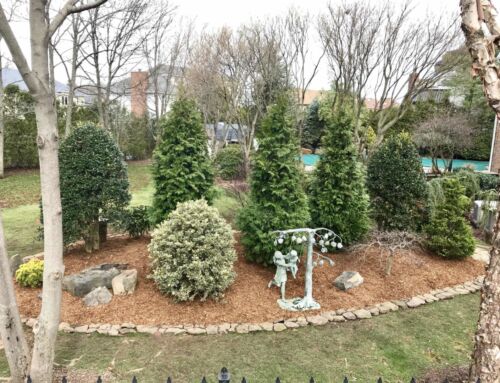
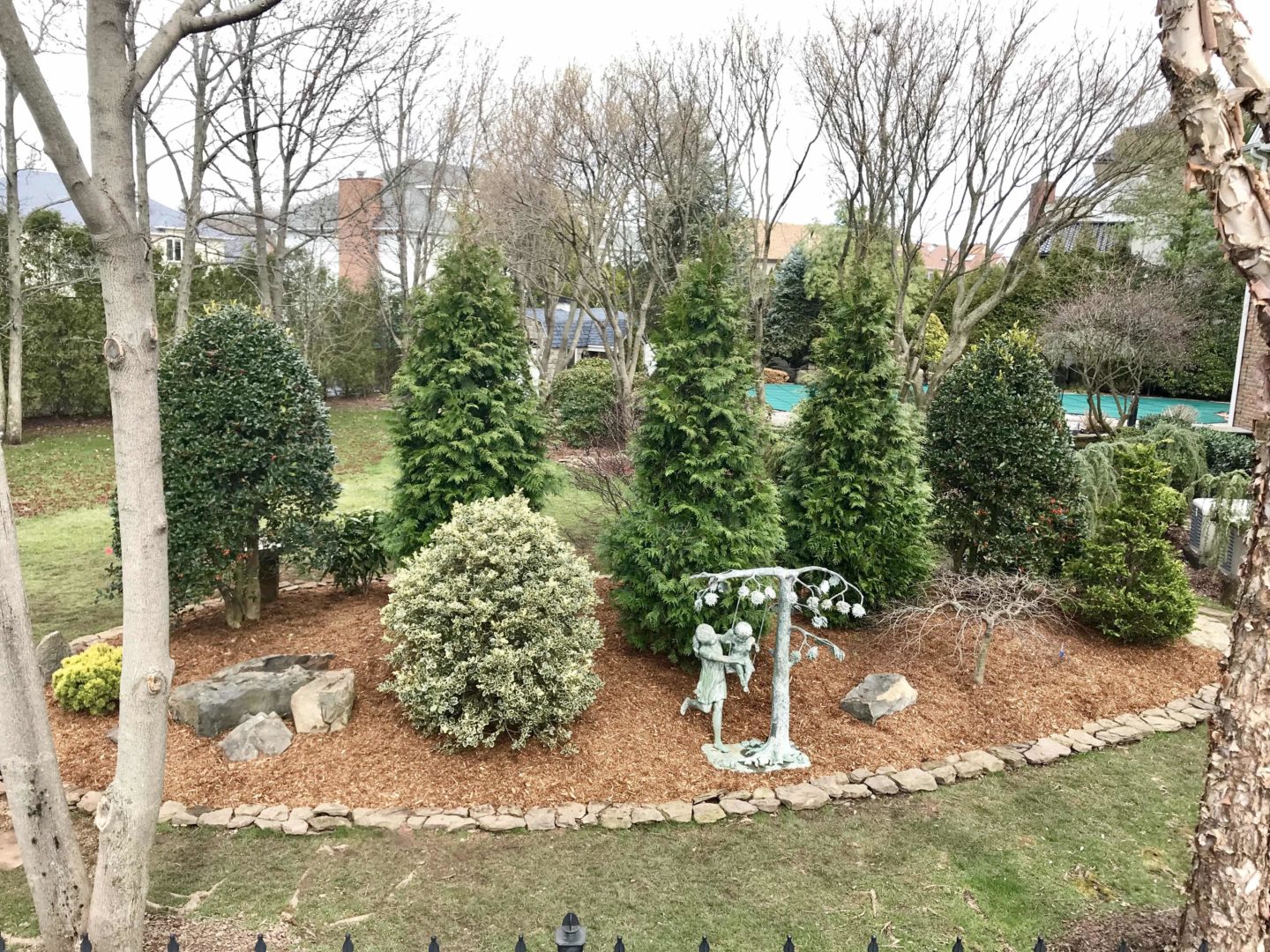
Beyond its functional benefits, mulch significantly enhances curb appeal. Fresh mulch gives landscape beds a clean, finished look and helps define planting areas. With various colors and textures available, mulch can complement your property’s overall design while boosting its visual appeal.
Proper Mulching Tips for Best Results
To get the most out of mulch, proper application is key:
-
Apply mulch at a depth of 2–3 inches for most landscape beds
-
Keep mulch a few inches away from plant stems and tree trunks
-
Replenish mulch annually or as it breaks down
-
Choose mulch types appropriate for your plants and climate
Over-mulching can be just as harmful as under-mulching, so balance is important.
Why Professional Mulching Matters
While mulching may seem like a simple task, professional landscapers understand soil conditions, plant needs, and proper installation techniques. Hiring a professional ensures mulch is applied correctly, evenly, and at the right depth—maximizing benefits and avoiding common issues like mold growth or root suffocation.
Conclusion
Mulch plays a vital role in landscape health by conserving moisture, improving soil quality, preventing weeds, and protecting plants throughout the year. When applied correctly, it supports stronger growth, reduces maintenance needs, and enhances the beauty of any landscape. Whether you’re maintaining a home garden or a commercial property, mulching is a smart, cost-effective investment in long-term landscape health. Please feel free to Contact us with any questions.