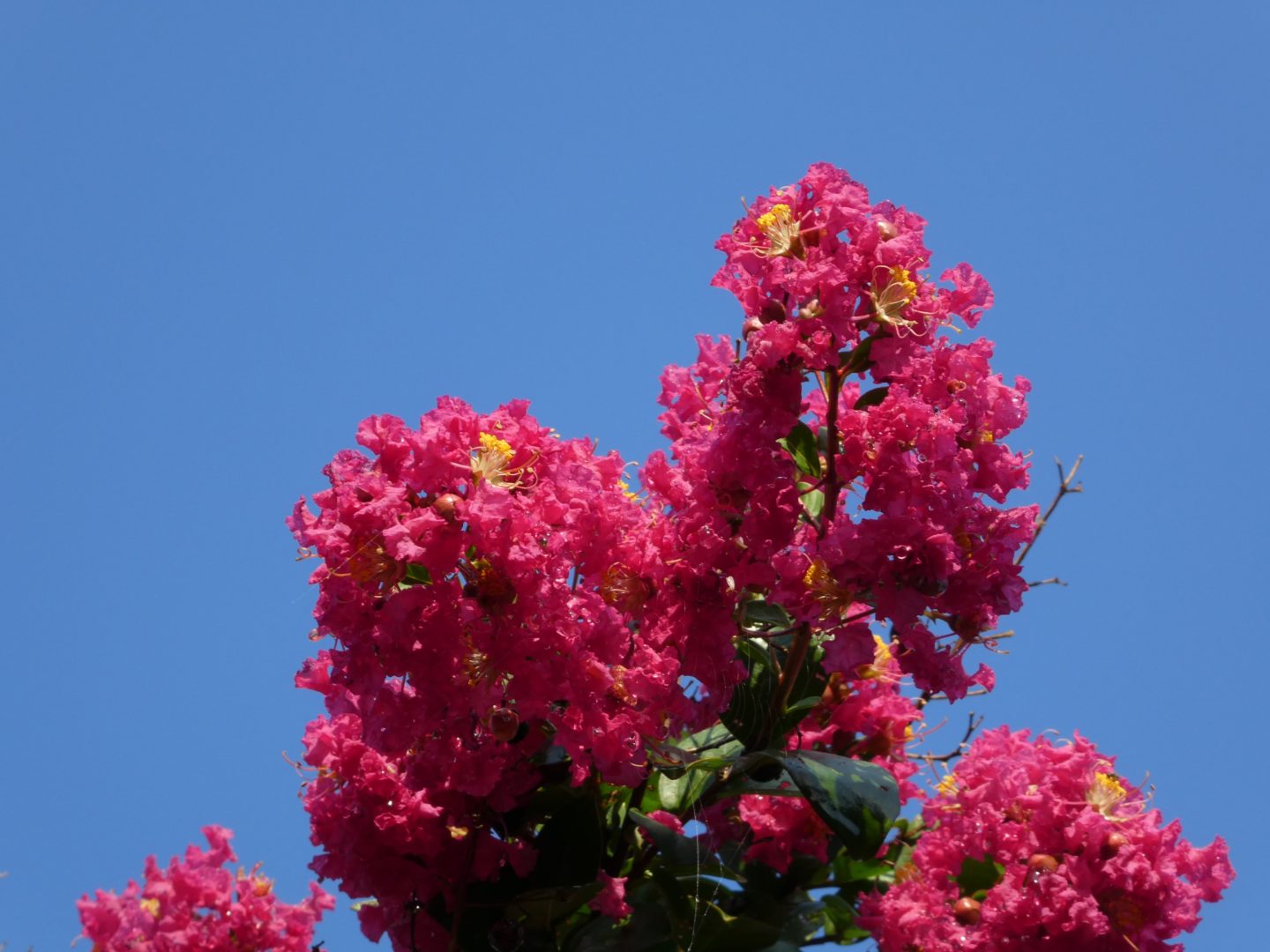
Crape myrtles are a popular choice for adding color and beauty to landscapes across the United States, and Staten Island is no exception. Known for their vibrant summer blooms, unique bark, and year-round interest, crape myrtles can be a stunning addition to your garden. Whether you’re planting one as a specimen tree or using them for landscaping purposes, these hardy, flowering trees can thrive with the right care. Here’s everything you need to know about growing and caring for crape myrtles on Staten Island.
1. What Are Crape Myrtles?
Crape myrtles (Lagerstroemia indica) are deciduous trees or large shrubs native to East Asia. They are famous for their long-lasting summer blooms, which can be pink, red, purple, or white. In addition to their stunning flowers, crape myrtles also feature attractive bark, which peels away in patches to reveal a smooth, multicolored surface. Their growth habits vary, but they typically grow to be small trees or large shrubs, making them ideal for both residential and commercial landscaping.
2. Choosing the Right Crape Myrtle Variety for Staten Island
Staten Island’s climate—characterized by cold winters and hot, humid summers—requires careful selection of crape myrtle varieties that can withstand occasional freezing temperatures. Fortunately, many crape myrtle varieties are cold-hardy enough for the region, especially those rated for USDA zones 6-9, which includes Staten Island (zone 7a).
Here are a few crape myrtle varieties to consider:
- ‘Natchez’: A tall, white-blooming variety that grows up to 25 feet high, perfect for adding dramatic height to your landscape.
- ‘Muskogee’: Known for its lavender-purple flowers, this variety reaches about 15-20 feet in height, making it a great medium-sized option.
- ‘Catawba’: A popular variety with vibrant purple blooms, suitable for smaller spaces as it grows up to 10-15 feet.
- ‘Tonto’: A compact variety, great for smaller gardens, with deep red blooms and a rounded growth habit.
When choosing a variety, make sure to consider your garden’s space and the mature size of the tree or shrub.
3. Planting Crape Myrtles on Staten Island
Crape myrtles are relatively low-maintenance, but their success begins with proper planting. Follow these steps for the best results:
-
Location: Choose a sunny spot. Crape myrtles thrive in full sun and require at least 6 hours of direct sunlight daily to produce the best blooms. While they can tolerate partial shade, less sunlight may result in fewer flowers and weaker growth.
-
Soil: Crape myrtles prefer well-drained, slightly acidic to neutral soil. If your soil is heavy or clay-like, consider amending it with organic matter like compost to improve drainage and structure. They are drought-tolerant once established but benefit from regular watering during dry spells.
-
Spacing: Space your crape myrtle at least 5-10 feet away from structures or other trees, depending on the variety’s mature size. This ensures adequate air circulation and prevents overcrowding.
-
Planting Depth: Dig a hole that is twice as wide as the root ball, but no deeper. Plant the tree slightly raised from the level it was growing in the pot to prevent the root collar from becoming buried.
4. Watering and Fertilizing Crape Myrtles
Once established, crape myrtles are relatively drought-tolerant, but they still benefit from proper watering and occasional fertilizing.
-
Watering: Crape myrtles need regular watering, especially in the first year as they establish roots. Water deeply and thoroughly, making sure the soil around the tree is consistently moist. Once the tree is established, reduce watering, as crape myrtles do best when their soil dries out between waterings. Avoid watering the leaves to reduce the risk of fungal diseases.
-
Fertilizing: Fertilize your crape myrtle in early spring, just as new growth begins. Use a balanced, slow-release fertilizer designed for flowering plants. Avoid fertilizing in late summer, as this can encourage late-season growth that is more susceptible to winter damage.
5. Pruning Crape Myrtles
Pruning is an essential part of crape myrtle care, but it’s important to do it at the right time and in the right way to maintain the tree’s health and appearance.
-
When to Prune: The best time to prune crape myrtles is in late winter or early spring, before new growth begins. This timing ensures you won’t damage flower buds. If you prune after the tree has already started blooming, you may sacrifice the summer flowers.
-
How to Prune: Crape myrtles generally don’t require heavy pruning, but you can remove dead, damaged, or diseased branches. Additionally, you can cut back long, leggy branches to shape the tree and encourage a bushier, more compact growth habit. Avoid “crape murder,” which involves cutting the tree back to the ground—this type of pruning can reduce the tree’s overall health and flower production.
-
Deadheading: Remove spent flowers throughout the summer to encourage more blooms and improve the overall appearance of the tree.
6. Winter Care for Crape Myrtles on Staten Island
While crape myrtles are relatively cold-hardy, Staten Island’s winter temperatures can sometimes pose a challenge, especially for younger or newly planted trees. Here are a few tips to protect your crape myrtle during the winter months:
-
Mulching: Apply a 2-3 inch layer of mulch around the base of your tree in late fall. This helps protect the roots from freezing temperatures and maintains consistent soil moisture.
-
Wrap the Tree: For additional protection, consider wrapping the tree with burlap or frost cloth, especially during the first few winters after planting. This is particularly important for young or smaller trees.
-
Pruning in Winter: Avoid heavy pruning in winter, as this can cause new growth to be more vulnerable to frost damage. Instead, wait until spring to trim back any dead or damaged branches.
7. Pests and Diseases
Crape myrtles are generally resistant to most pests and diseases, but they can occasionally suffer from issues such as:
-
Powdery Mildew: This fungal disease can cause a white, powdery coating on leaves. It’s more common in humid weather, so provide good air circulation and water the base of the tree, not the leaves, to reduce the risk.
-
Aphids: These tiny insects can sap the strength of your crape myrtle. If you notice clusters of aphids, gently spray the leaves with water or use insecticidal soap.
-
Crape Myrtle Bark Scale: This invasive pest can affect crape myrtles, causing damage to the bark. Monitor for signs of scale and treat with horticultural oils or insecticides.
8. Crape Myrtle Uses in Landscaping
Crape myrtles are versatile and can be used in many different landscaping applications. Here are a few ideas for incorporating crape myrtles into your garden:
-
Specimen Trees: Crape myrtles make stunning focal points in the garden, especially when in full bloom during the summer. Their attractive bark and colorful flowers make them a perfect choice for adding year-round interest to your landscape.
-
Hedges and Screens: Planting crape myrtles in a row can create a beautiful hedge or privacy screen, especially when using varieties that grow taller.
-
Foundation Planting: Smaller varieties of crape myrtles can be planted near the foundation of your home or along walkways to add color and texture to your landscape.
Conclusion
Crape myrtles are a stunning and versatile addition to any Staten Island garden, providing vibrant blooms, attractive bark, and year-round interest. With the right care and attention, these beautiful trees can thrive in Staten Island’s climate, adding color and beauty to your landscape for years to come. By selecting the right variety, planting in the right location, and following proper maintenance tips, you can enjoy the beauty of crape myrtles all summer long. Whether you want a single specimen tree or a flowering hedge, crape myrtles offer endless possibilities for your garden. Contact us to help with your crepe myrtle today!