
Winter Pansies: The Best Choice for Colorful Gardens During Cold Weather
When the colder months arrive, many gardens can seem drab and devoid of color. However, winter pansies offer a vibrant solution that brightens your landscape through the winter months. These hardy plants are perfect for gardeners looking to add beauty and cheer to their outdoor spaces, even in the chilly weather.
In this article, we’ll explore everything you need to know about winter pansies, including how to plant and care for them, their benefits, and why they are a must-have for winter gardens.
What Are Winter Pansies?
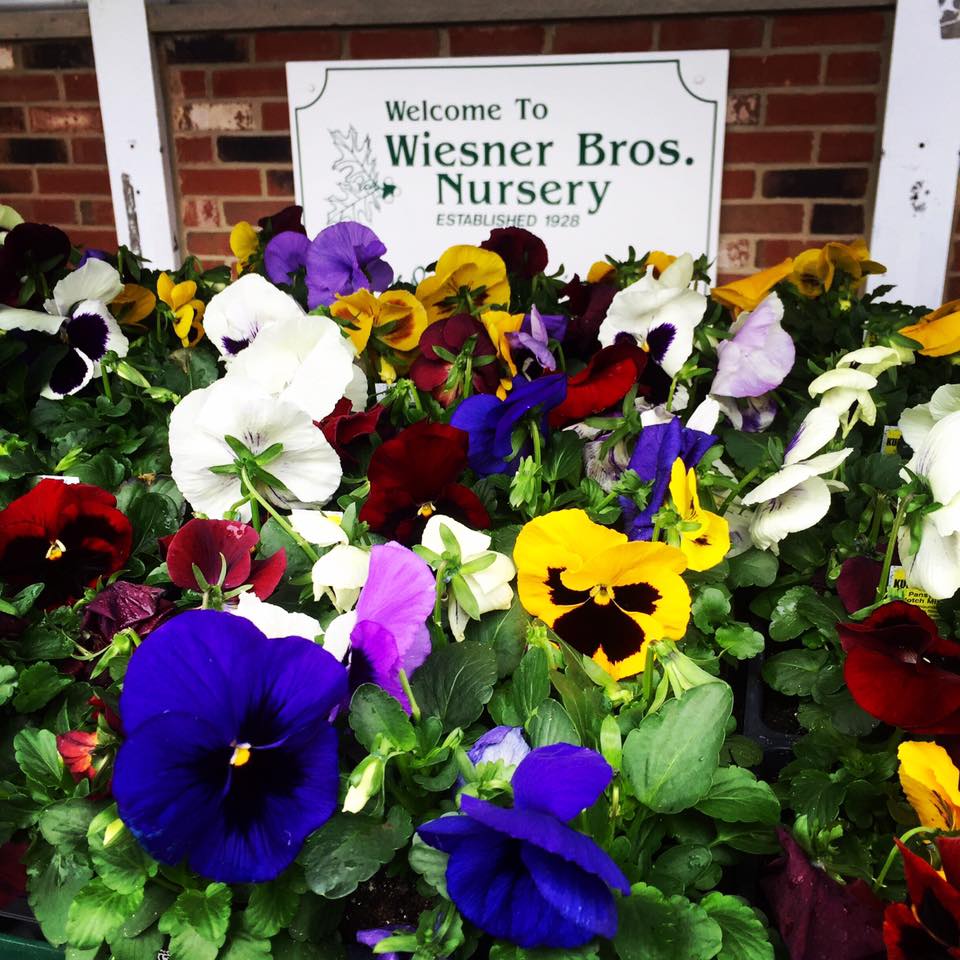
Winter pansies (Viola x wittrockiana) are a cold-tolerant variety of pansies that thrive in lower temperatures, making them ideal for winter gardens. Known for their vibrant flowers in shades of purple, yellow, white, blue, and orange, winter pansies can bloom from early fall until late spring, providing color and charm even during the colder months.
Unlike other annuals that may wither during winter, winter pansies are specially bred to withstand frost and freezing temperatures, allowing them to thrive in regions with cold winters, such as the Northeast or Midwest.
Why Plant Winter Pansies?
There are many reasons why winter pansies should be a part of your garden during the colder months:
1. Winter Color:
Winter pansies are one of the few plants that bloom through the winter, offering a burst of color when most other flowers are dormant. They can withstand frost, providing your garden with vibrant hues from fall through spring.
2. Low Maintenance:
Winter pansies are relatively low-maintenance, making them a great choice for beginner gardeners or anyone looking for a hassle-free winter garden. They don’t require a lot of special care to thrive.
3. Cold Tolerance:
Winter pansies are hardy and can tolerate temperatures as low as 28°F before going dormant, allowing them to stay vibrant during cold spells. In fact, the flowers often become even more intense in color after a light frost.
4. Versatility:
Winter pansies work well in a variety of garden settings, from containers to flower beds. They can be planted in raised beds, hanging baskets, window boxes, or directly in the ground, making them perfect for urban environments, suburban gardens, and even balcony gardens.
5. Pollinator-Friendly:
Though not as active in the winter months, winter pansies can still attract beneficial pollinators like bees when they bloom. They are an excellent addition to a wildlife-friendly garden.
Best Time to Plant Winter Pansies
The best time to plant winter pansies depends on your climate, but generally, fall is the ideal planting time. Planting them in early to mid-fall allows the plants to establish strong roots before the first frost hits. In milder climates, you can plant pansies in late fall or early winter.
Where to Plant Winter Pansies
Winter pansies can thrive in many different environments, but they do best in locations that offer:
- Full to Partial Sun: Winter pansies prefer at least 4-6 hours of sunlight per day. In areas with harsher winters, they’ll still need some sunlight to bloom.
- Well-Drained Soil: Winter pansies like soil that is moist but well-drained. Ensure the soil is not waterlogged, as this can cause the roots to rot. Consider mixing in some compost or organic matter to help improve soil quality.
- Containers or Garden Beds: Winter pansies can be planted in flower beds, borders, or containers. If you’re planting in containers, make sure to use pots with good drainage to prevent standing water.
How to Plant Winter Pansies
Planting winter pansies is simple and easy. Here’s a step-by-step guide to get you started:
- Choose the Right Spot: Pick a location that gets at least 4-6 hours of sunlight a day, preferably in the morning when the sunlight is softer.
- Prepare the Soil: Ensure the soil is loose, well-drained, and slightly acidic. Amend heavy or clay soil with organic compost to improve drainage and provide nutrients for the pansies.
- Planting Depth: Dig a hole that is just deep enough for the root ball of the pansy. Winter pansies should be planted at the same depth they were in the nursery pot, ensuring that the root system is covered but not buried too deeply.
- Spacing: Space your pansies about 6-9 inches apart to allow for adequate air circulation and room to grow.
- Watering: Water the plants well after planting, ensuring the roots settle into the soil. Keep the soil moist but not soggy. During winter, pansies may need less frequent watering, but don’t let them dry out completely.
- Mulch: Apply a thin layer of mulch around the base of the plants to help retain moisture and insulate the roots during cold spells.
Caring for Winter Pansies
Winter pansies are relatively low-maintenance but will benefit from regular care to keep them looking their best throughout the season. Here are some key care tips:
- Watering: Although winter pansies are hardy, they still need water during dry spells. Check the soil regularly, and if it’s dry to the touch, water your pansies thoroughly. Water at the base of the plant to avoid getting the leaves wet, which could lead to mold or disease.
- Deadheading: To encourage continuous blooms, remove spent flowers (deadheading). This will prevent the plant from focusing energy on seed production and promote more flowers.
- Fertilizing: Winter pansies don’t require heavy fertilizing, but a light application of a balanced fertilizer in the fall can help them establish strong roots. Avoid fertilizing during the coldest months of winter when the plants are dormant.
- Protecting from Harsh Weather: While winter pansies can handle frost, extremely harsh winter conditions may damage the foliage. If a severe freeze is expected, consider covering your pansies with a row cover or frost blanket for extra protection.
Winter Pansies in Containers
Winter pansies are perfect for container gardens, especially in regions with cold winters like New York City, New Jersey, and other parts of the Northeast. Whether you plant them in window boxes, hanging baskets, or porch containers, pansies add a cheerful touch to any space. Just be sure your containers have good drainage to prevent waterlogged soil.
Conclusion: Bring Cheer to Your Winter Garden with Pansies
Winter pansies are a wonderful addition to any winter garden, providing bright, colorful blooms even in the coldest months. Their cold tolerance, low-maintenance nature, and ability to thrive in containers make them the perfect solution for adding life to your outdoor space. Whether you’re filling up flower beds, adorning window boxes, or brightening your front porch, winter pansies are a beautiful and reliable choice for vibrant winter color.
By following the planting and care tips outlined in this article, you can enjoy winter pansies in full bloom from fall through spring. Add them to your garden today and let them bring cheer to your landscape throughout the winter season.