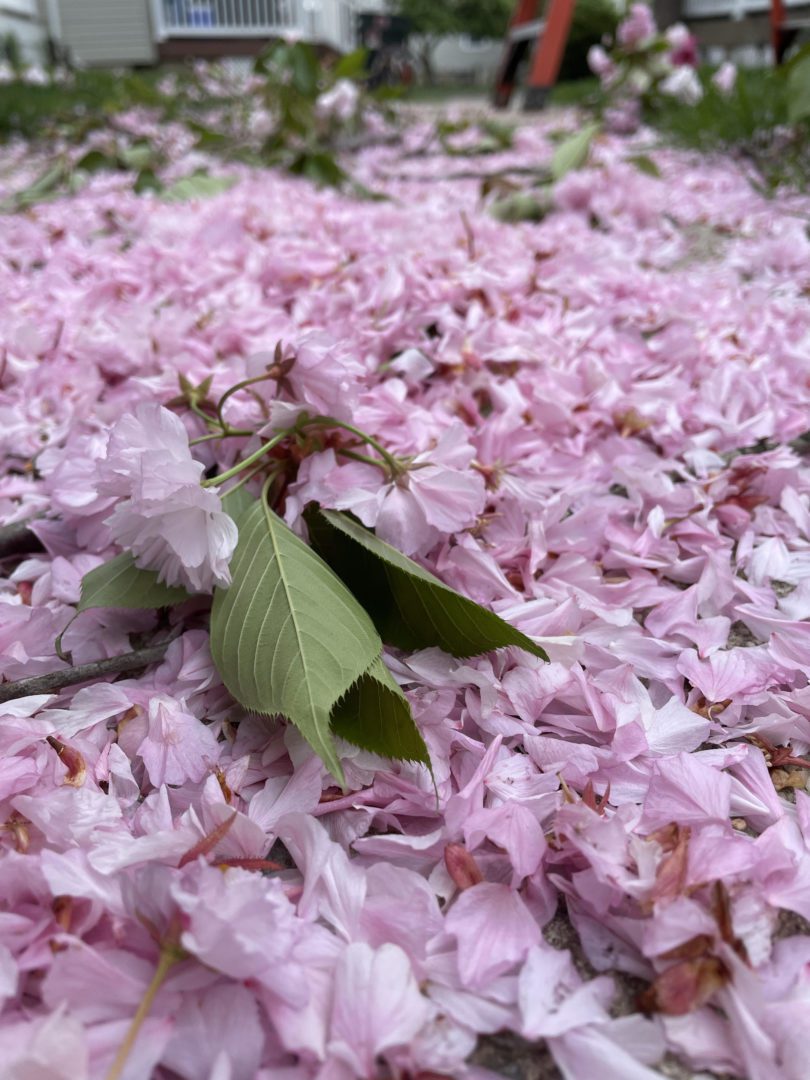
The Beauty and Significance of Cherry Blossom Trees: A Comprehensive Guide
Cherry blossom trees, or Prunus species, are among the most iconic and beloved flowering trees worldwide. Their delicate pink and white blossoms have captured the hearts of millions, symbolizing the arrival of spring in many cultures. These stunning trees offer much more than just beauty; they carry cultural significance, environmental benefits, and a touch of magic in their fleeting blooms. Whether you’re a nature enthusiast, a gardener, or simply someone who appreciates the stunning visuals of cherry blossoms, this article will delve into everything you need to know about these magnificent trees.
The Origins and Varieties of Cherry Blossom Trees
Cherry blossoms are native to East Asia, particularly Japan, China, and Korea. Japan is especially famous for its cherry blossom festivals (hanami), which celebrate the short-lived beauty of the blooms. There are hundreds of different species and varieties of cherry trees, with each variety offering unique characteristics in terms of flower color, shape, and blooming time.
1. Japanese Cherry Blossom Trees
The most renowned variety of cherry blossom is the Prunus serrulata, also known as the Japanese cherry. These trees typically feature pink or white blossoms and are the focal point of hanami celebrations each spring. Some popular varieties include:
- Yoshino Cherry (Prunus x yedoensis): Known for its soft white to light pink flowers, it is one of the most famous varieties seen in parks and along streets in Japan and other parts of the world.
- Kwanzan Cherry (Prunus serrulata ‘Kwanzan’): This variety produces vibrant double-pink blossoms and is often admired for its dense clusters of flowers.
- Shidarezakura (Weeping Cherry): Recognizable by its cascading branches, this variety offers a dramatic and beautiful display of drooping pink or white blossoms.
2. Korean and Chinese Cherry Blossoms
Other Asian countries also feature their own cherry blossom varieties. The Prunus avium, native to China, produces smaller blossoms in a variety of colors. Meanwhile, Korean cherry blossoms (Prunus yedoensis) are similar to the Japanese varieties and are just as stunning in their simplicity and grace.
Symbolism and Cultural Significance of Cherry Blossoms
Cherry blossoms are much more than just visually appealing; they hold deep symbolic meaning across various cultures.
1. Japan: The Symbol of Transience
In Japan, the cherry blossom is a powerful symbol of the transient nature of life. The brief period during which the blossoms bloom—usually just a few weeks—reminds people of life’s fleeting beauty. This connection to mortality and the cycle of life is deeply rooted in Japanese philosophy, particularly mono no aware (the awareness of the impermanence of things).
2. China: Symbol of Femininity and Beauty
In Chinese culture, cherry blossoms represent feminine beauty, purity, and new beginnings. The delicate nature of the flowers is seen as a metaphor for the gentle and graceful characteristics attributed to women. Cherry blossoms are also associated with prosperity and good fortune in Chinese folklore.
3. Korea: A Time of Celebration
Korean culture, too, embraces the cherry blossom as a symbol of renewal. During the cherry blossom season, families and communities come together for festivals and outdoor celebrations. These gatherings often involve picnicking under the trees, a practice known as beotkkot, which translates to “flower viewing.”
Growing and Caring for Cherry Blossom Trees
Cherry blossoms can thrive in a variety of climates, though they prefer temperate zones with well-drained soil and full sunlight. If you’re interested in planting a cherry blossom tree in your yard or garden, here are a few key considerations to ensure healthy growth and stunning blooms:
1. Choosing the Right Location
Cherry blossom trees prefer areas that receive full sunlight for at least six hours a day. They also need well-drained soil, as overly wet or soggy conditions can lead to root rot. If you’re planting in a container, ensure the pot has drainage holes.
2. Pruning and Maintenance
While cherry blossom trees don’t require excessive pruning, it’s important to remove dead or diseased wood. Light pruning after blooming can help maintain the shape of the tree and encourage new growth. Avoid heavy pruning, as it can reduce the number of blossoms the tree produces the following year.
3. Watering and Fertilizing
Cherry blossom trees require regular watering, especially during dry periods, but be careful not to overwater. Apply a balanced fertilizer in early spring to promote healthy growth and encourage robust blooms.
4. Disease and Pest Control
Cherry trees can be susceptible to certain diseases, such as powdery mildew and leaf spot. Regularly inspect the tree for any signs of disease or pest infestation. Using organic treatments or consulting with a local arborist can help prevent or manage any issues.
The Environmental Benefits of Cherry Blossom Trees
In addition to their beauty and cultural significance, cherry blossom trees offer numerous environmental benefits. They help improve air quality by absorbing carbon dioxide and releasing oxygen. The trees also provide habitat and food for various pollinators, including bees, butterflies, and birds. Planting cherry blossom trees in urban areas can help increase green spaces and contribute to biodiversity, while also providing shade and cooling effects for nearby residents.
Cherry Blossom Festivals Around the World
Across the globe, cherry blossom trees are celebrated through festivals that draw millions of visitors every year. Here are a few notable ones:
1. The National Cherry Blossom Festival (Washington, D.C., USA)
Held every spring, the National Cherry Blossom Festival in Washington, D.C., celebrates the gift of cherry trees from Japan to the United States in 1912. The festival features a range of events, including parades, cultural exhibitions, and, of course, spectacular views of the cherry blossoms along the Tidal Basin.
2. Hanami Festivals in Japan
In Japan, hanami refers to the centuries-old tradition of flower viewing during the cherry blossom season. People gather in parks with family and friends, enjoying picnics under the trees, celebrating the fleeting beauty of the blossoms. Famous cherry blossom viewing spots include Kyoto’s Maruyama Park and Tokyo’s Ueno Park.
3. The Cherry Blossom Festival (Vancouver, Canada)
Vancouver, Canada, is another city that hosts a vibrant cherry blossom festival, drawing visitors from around the world to admire the city’s cherry-lined streets and parks. The Vancouver Cherry Blossom Festival includes art exhibitions, music performances, and traditional tea ceremonies.
Conclusion
Cherry blossom trees stand as a symbol of nature’s impermanence and beauty. Their delicate flowers, brief blooming period, and cultural significance make them a beloved part of many traditions. Whether you’re looking to plant one in your garden, attend a festival, or simply enjoy their beauty in nature, cherry blossoms are a testament to the wonder of the natural world. By understanding their origins, symbolism, and care requirements, you can better appreciate these beautiful trees and the joy they bring to so many.
If you have the chance to experience cherry blossoms in bloom, take a moment to pause and reflect on the beauty and fragility of life, just as generations before us have done for centuries. Contact us with any questions, we are more than happy to help!