Supporting Birds When They Need It Most
Winter is the most challenging season for wild birds. Cold temperatures, snow, ice, and frozen ground dramatically reduce natural food sources while increasing birds’ energy needs. This is why putting out birdseed during the winter months plays a critical role in helping birds survive.
Below, we explain why winter bird feeding matters, when it’s most effective, and how to do it responsibly.
Winter Is the Hardest Season for Birds
During winter, birds must balance finding food with staying warm. Shorter days limit feeding time, and cold nights require birds to burn extra calories just to maintain body heat.
Key winter challenges for birds include:
-
Frozen or snow-covered natural food sources
-
Fewer insects and berries available
-
Increased energy use to stay warm
-
Limited daylight for foraging
Without access to enough calories, birds can struggle to survive prolonged cold spells.
Why Birdseed Matters More in Winter
1. Natural Food Becomes Scarce
In winter, many natural food sources — seeds, berries, and insects — are buried under snow or locked in frozen soil. Birdseed provides a reliable, accessible food source when birds can’t forage naturally.
High-quality birdseed helps fill the nutritional gap created by winter conditions.
2. Birds Need Extra Calories to Stay Warm
Birds maintain body temperatures much higher than the surrounding air. To survive freezing temperatures, they must eat frequently and efficiently.
Birdseed, especially high-fat options like:
-
Black oil sunflower seed
-
Nyjer seed
-
Suet
delivers concentrated energy that birds can quickly convert into heat.
3. Winter Feeding Supports Resident Birds
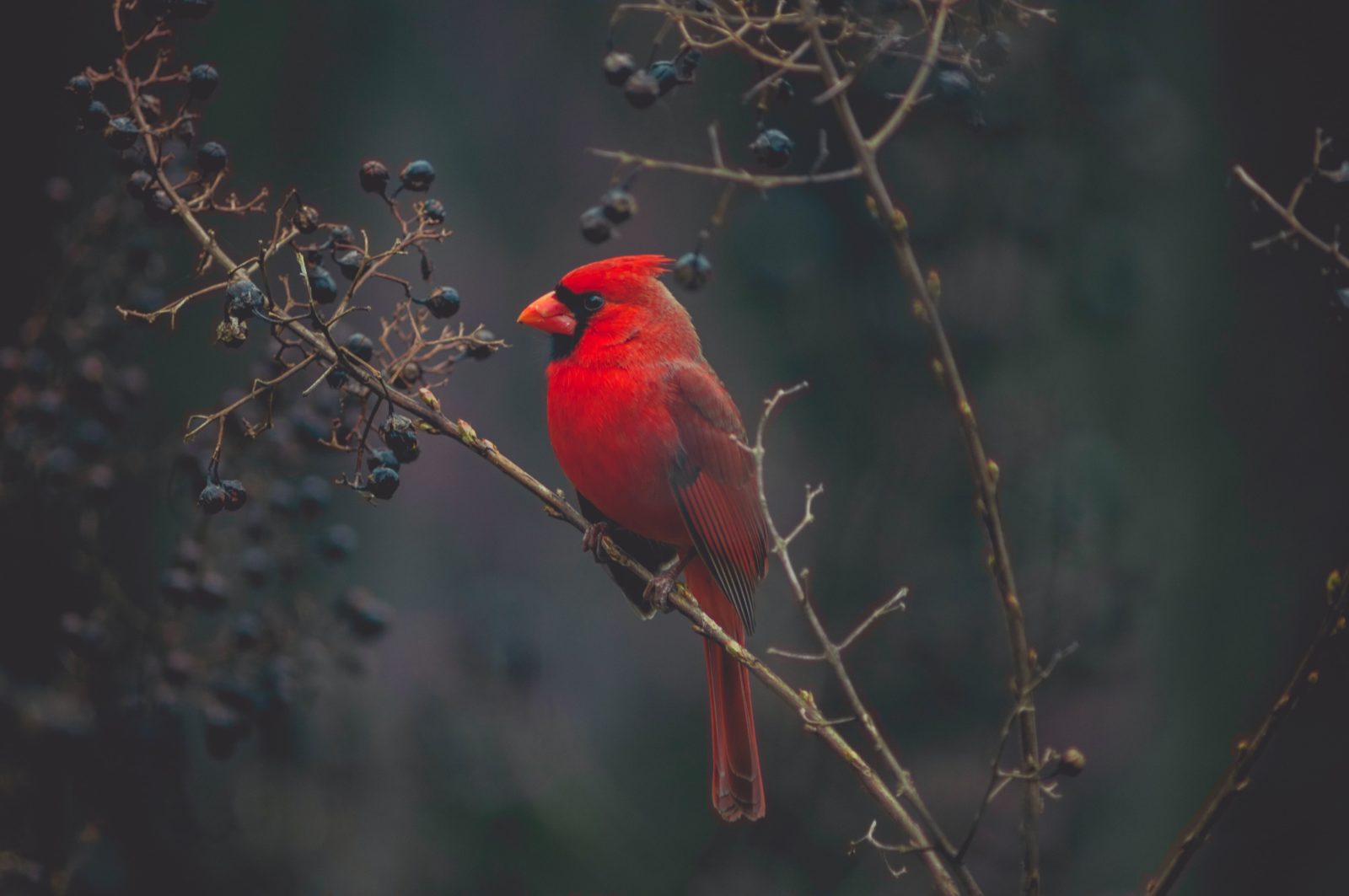
Many birds do not migrate and remain active all winter. Species such as chickadees, cardinals, sparrows, juncos, and nuthatches rely heavily on available food to make it through cold months.
Providing birdseed in winter helps support:
-
Resident bird populations
-
Stable backyard ecosystems
-
Bird diversity during harsh weather
4. Birdseed Reduces Energy Loss From Foraging
In winter, flying long distances to find food wastes precious energy. Backyard feeders allow birds to spend less energy searching and more energy surviving cold nights.
This is especially important during:
-
Snowstorms
-
Ice events
-
Extended cold snaps
Best Types of Birdseed for Winter Feeding
Not all birdseed is equally beneficial in winter. High-energy foods are best.
Top winter bird foods include:
-
Black oil sunflower seed
-
Suet cakes or blocks
-
Shelled peanuts
-
High-quality seed blends with minimal filler
Avoid seed mixes heavy in cracked corn or milo, which offer less nutrition in cold weather.
When to Start and Stop Winter Bird Feeding
-
Start feeding: Late fall, before temperatures drop consistently
-
Peak feeding: December through February
-
Scale back: Early spring as natural food returns
Consistency is important. Once birds begin relying on a feeder during winter, keep it stocked through the season.
Responsible Winter Bird Feeding Tips
-
Clean feeders regularly to prevent disease
-
Keep seed dry and mold-free
-
Provide fresh water when possible
-
Place feeders where birds can feed safely
-
Avoid overfeeding or allowing seed buildup
SEO Summary: Why Birdseed in Winter Matters
Providing birdseed during winter:
-
Helps birds survive extreme cold
-
Compensates for limited natural food
-
Supports local bird populations
-
Encourages healthy backyard bird activity
Winter bird feeding is one of the most effective and impactful ways homeowners can support wildlife during the harshest months of the year.
Final Thoughts
Birdseed during the winter isn’t about dependency — it’s about survival. By offering the right food at the right time, you help birds conserve energy, endure cold conditions, and return healthy in the spring. Contact us with any questions or for availability.